
Capability 06 — Reliability & Hygiene
Reliability is a test result, not a housing style.
“Sealed”, “rugged” and “long-life” are adjectives. A buyer needs a method, a sample and a number. This page shows what we test and how the result is reported — including the difference between a design target and a verified result.
Test matrix
What can be tested, and what the report says.
The target column is set per program in the product specification. The report column describes what you receive after testing — not what we expect to happen.
| Test | Method | Target (set per program) | Reported as |
|---|---|---|---|
| Key life | Automated press cycle per key, with function check at intervals | Cycle count agreed in the test plan | Cycles completed and failure mode |
| Drop | Drop onto a rigid surface from a stated height, six faces | Height, surface and face count agreed | Pass/fail per face and post-drop function |
| Ingress protection | IEC 60529 test at the target level | Level agreed; claimed only after a report exists | Test level, conditions and result |
| Temperature | Operating and storage cycles in a chamber | Operating and storage ranges agreed per market | Range tested and function after cycling |
| Humidity | Damp heat at stated temperature and duration | Agreed per market and use | Conditions and post-test function |
| Cleaning compatibility | Wipe cycles with the client’s actual cleaning agents | Agent list and cycle count agreed per property | Finish and legend condition after cycles |
| RF range | Receiver test through the final housing and representative obstruction | Distance and orientation agreed per program | Pass/fail at the stated distance and orientation |
| Battery duty cycle | Rig simulating the agreed daily press pattern | Years and cell type agreed per program | Measured consumption and projected life |
These are the methods. The 61 specific tests behind them, and the laboratory equipment that runs them, are listed on the: quality and certification page
Inside the lab
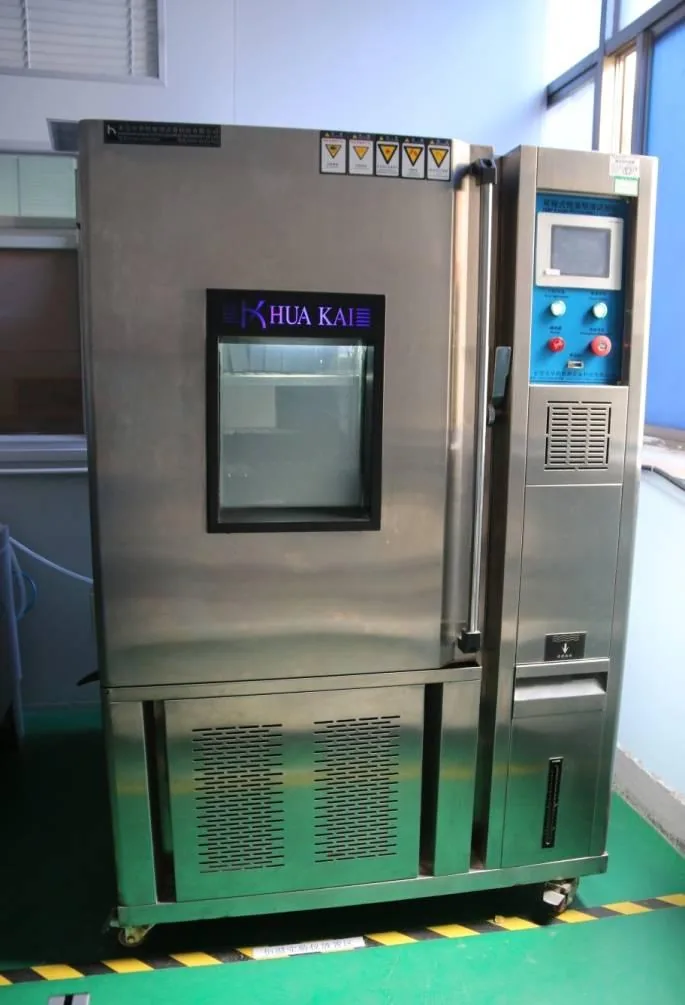
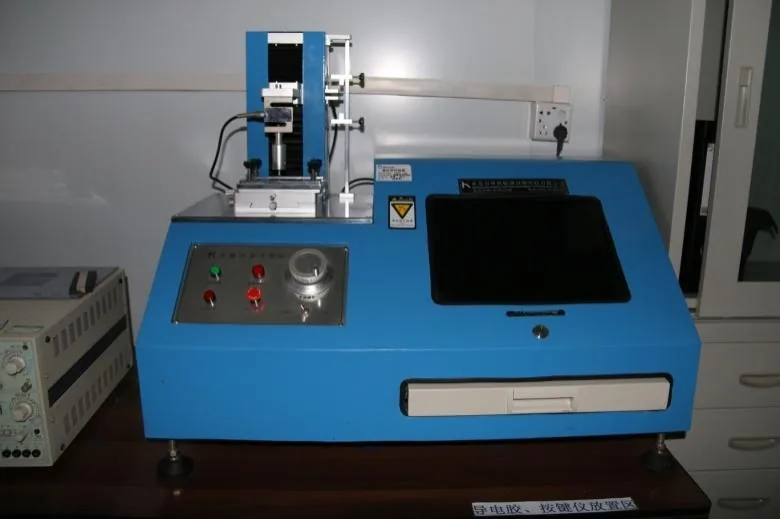
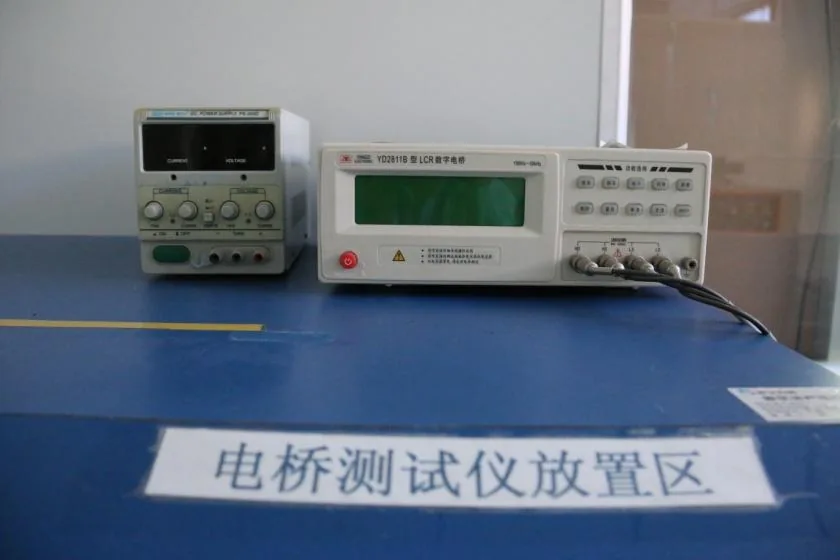
Target vs result
A design target and a test result are two separate claims.
“Designed to IP54” and “tested to IP54” are not the same claim. The first is a target set at the brief stage. The second requires a sample, a lab and a report.
- A different keypad material or legend process
- A new housing tool with different wall thickness
- A different battery door or sealing gasket
- A component change that moves the antenna
- A new cleaning agent or wipe frequency
- Production variation between mold cavities
Hygiene
Cleanability is designed before it is tested.
A remote that cannot be wiped properly will not be wiped properly. Hygiene starts with geometry: fewer seams, no recessed legends, no fabric or leather on the touch surface unless the cleaning process supports it.
No dirt traps
Seams are moved away from the touch surface. Recessed lettering and deep grooves are avoided unless they can be cleaned with the agreed wipe.
Compatible with the agent
Silicone, ABS/PC and coatings are selected against the actual cleaning chemicals, not a generic “hospital grade” assumption.
Readable after wiping
Double-shot or laser-etched legends are preferred where aggressive agents are used. The legend process is part of the cleaning test, not separate from it.
Replaceable without tools
Battery access and pairing recovery are designed for housekeeping or front desk staff, not for an engineer with a service manual.
Reporting
A report you can put in a tender response.
The reliability report states the sample configuration, the test conditions, the result and any deviation. It is written so a buyer, a certification body or a maintenance team can use it without asking us to reinterpret it.
Where a test was not performed, the report says so. An absent test is not presented as a pass.

Questions
Reliability FAQ
Can you test against our cleaning protocol?
Is the IP rating tested on every production lot?
How many units are tested?
Do you test third-party receivers for RF range?
Related: Hospitality & Care Manufacturing
Start a project
Define the test before you promise the number.
Tell us the environment, the cleaning protocol and the warranty period. We will propose the test plan that supports the claim.