
Capability 05 — Prototype to Production
Six stages, with no undocumented handoffs.
A remote program is a sequence of commitments. At each stage you should know what was decided, what was tested and what it cost to move forward. This page states the sequence and the typical duration of each step.
The sequence
What enters each stage, and what you approve to leave it.
Durations assume a defined protocol, available samples and timely approvals. They are planning ranges, not contractual dates; the committed schedule is issued after the brief review.
Brief and feasibility
We map the control target, protocol, markets, volume and launch window against what is standard, what is custom and what needs a discovery step. The output is a requirement matrix and a gap list.
Concept and design
Key-map drawing, industrial design direction, mechanical architecture, PCB block diagram and firmware architecture. Design reviews include manufacturing engineering so the concept can be built.
Prototype (EVT)
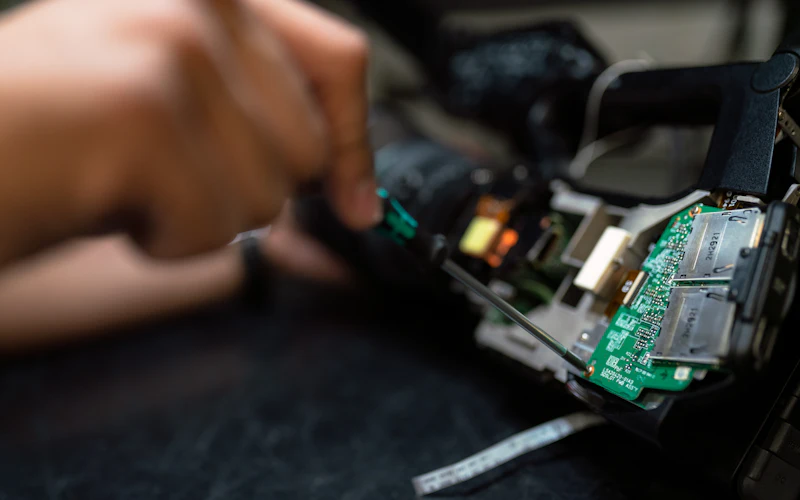
Functional samples with the intended keypad material and radio. Used for key feel, RF range, current draw and firmware behavior. Issues found here are cheap; issues found after tooling are not.
Validation (DVT)
Pre-scan, reliability tests and protocol conformance against the agreed plan. A written report states what passed, what failed and what changed as a result.
Tooling and pilot (PVT)
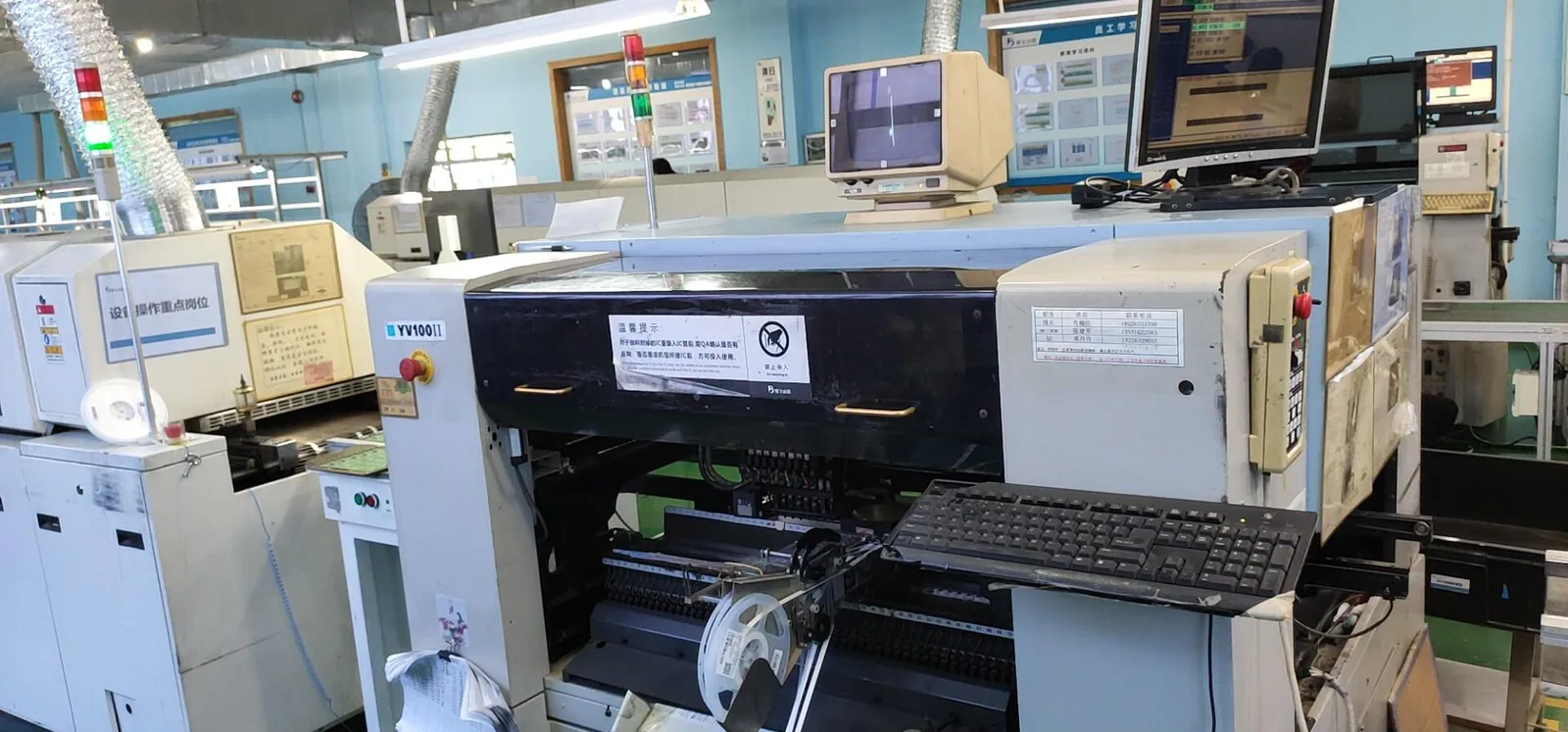
Molds, keypad tools, assembly fixtures and test fixtures are released. T1 samples confirm fit and finish; the pilot build confirms the process at the target line rate.
Mass production
Production runs against the released test specification, with lot records and per-unit functional test. Changes after release follow the same revision discipline as the design.
From pilot to shipment


Schedule reality
Most delays are waiting on a decision, not on engineering.
The technical work usually moves at a predictable pace. What stretches a program is an approval that waits two weeks, a device list that changes after validation, or a certification lab with a full calendar.
- Sample remotes or receivers arrive late
- Key map changes after the design freeze
- Protocol document is incomplete at kickoff
- Certification market list grows mid-program
- Packaging artwork arrives after the pilot build
- Approval cycles are longer than the engineering work
- A named decision-maker on your side
- One consolidated device list with regions
- Samples of every device family
- Target markets and certification scope
- Volume, pilot size and launch window
- Brand assets and packaging direction
Stage gates
What “approved” means at each gate.
| Gate | Evidence reviewed | What it authorises |
|---|---|---|
| G1 — Scope | Requirement matrix, gap list, indicative cost | Design work and sample procurement |
| G2 — Design freeze | Drawings, BOM, key map, firmware architecture | Prototype build and tooling quotes |
| G3 — Prototype | Functional samples and test notes | Validation testing |
| G4 — Validation | Signed test report and pre-scan results | Tooling release and pilot planning |
| G5 — Pilot | Golden sample and pilot report | Mass production |
| G6 — Production | Lot records and test summary | Shipment and field support |
A gate can be passed with open items only if those items are written down and accepted. “We will fix it in production” is not a gate criterion.:
Questions
Program FAQ
How long does a typical program take end to end?
Can we skip validation to save time?
Who pays for tooling, and when?
What happens if the pilot fails?
Related: Manufacturing Reliability & Hygiene
Start a project
Put a date on the first gate.
Send the device list, target markets and launch window. We will return a scope and a realistic first-stage plan.