
Capability 03 — Customization
Customization is a set of trade-offs, not an unlimited request.
Every change to a remote trades against tooling cost, schedule, certification and minimum order. We would rather show you that trade-off at the brief stage than discover it during validation.
Three levels
The fastest program is usually the one that reuses more.
If an existing platform already fits the hand, the radio and the price, there is no need to open a new mold. We start from the lowest level that satisfies the product requirement.
Configured platform
An existing handset with your key map, legends, color, packaging and firmware configuration. Tooling is limited to printing or keypad tooling where needed.
- Fastest route to a pilot
- Lowest tooling exposure
- Limited to the platform’s shape and key count
Light customization
A new keypad, adjusted key count, new battery door, CMF change or a housing variant on an existing electronics platform.
- Moderate tooling and validation
- Keeps a proven radio and firmware base
- Requires a new drop or sealing check
Full custom development
New industrial design, mechanics, PCB, antenna and firmware. The right choice when the product needs a shape or interaction that does not exist yet.
- Highest tooling and development cost
- Longest schedule and validation scope
- Full control of ergonomics and brand
Customization matrix
What each level can change.
Use this as the first filter in a scoping call. Anything in the “full custom” column affects tooling and must be planned, not assumed.
| Element | Configured | Light custom | Full custom |
|---|---|---|---|
| Enclosure shape | Existing | Variant or new battery door | New ID and mold |
| Key count and layout | Within platform options | New keypad tool | New key matrix and PCB |
| Legends and color | Yes | Yes, including new finishes | Yes |
| Radio | Platform option | Platform option, re-tested | New antenna and RF design |
| Firmware behavior | Configuration | Feature changes on existing stack | New stack or deep integration |
| Packaging | Artwork on standard structure | Insert or sleeve change | New structure |
| Certification | Existing reports where valid | Re-test affected items | Full test program |
What we will not promise
Physics and certification are not negotiable.
We can often improve range, battery life or sealing — but only by changing size, power or cost. A supplier who promises all three without naming the trade-offs is either estimating without data or deferring the problem to later.
- “Same range as a mains-powered hub, on a coin cell”
- “IP67 without changing the keypad or battery door”
- “Certified for every market, on every SKU, at no extra cost”
- “Works with every TV model in a brand’s history”
- “Ten-year battery life at ten thousand presses a day”
- “Lowest unit price and a new mold, at pilot quantity”
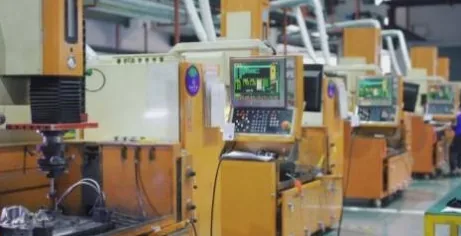
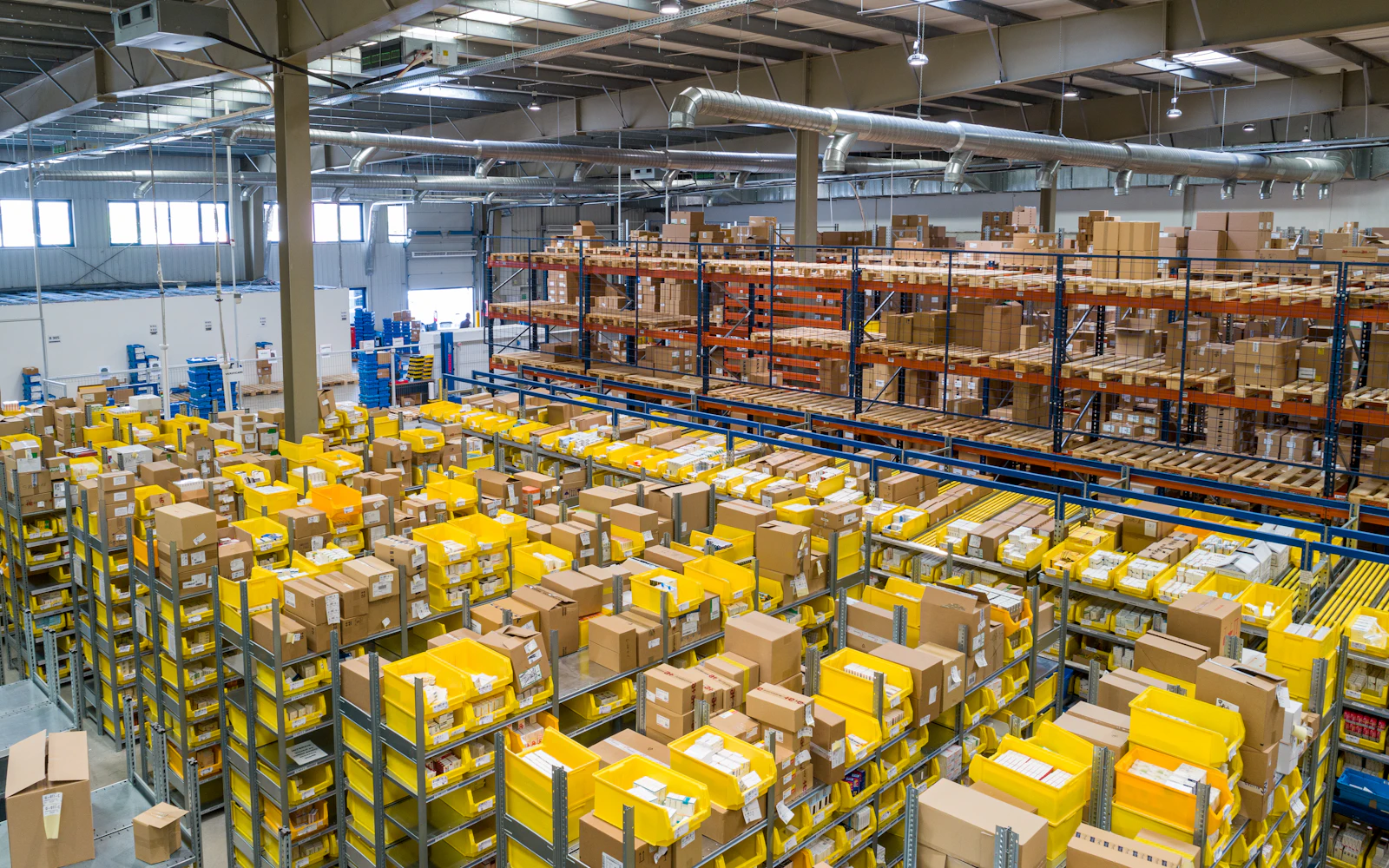
What changes on the floor

MOQ and tooling
MOQ falls out of the tooling and line time — we don't set it.
Tooling has to be paid for, and a production line has setup time. MOQ is therefore calculated per program from the mold, the keypad tool, the test fixture and the batch size your process needs.
Configured platforms usually carry the lowest minimum. A new enclosure with a new keypad tool carries the highest. We quote the number with the tooling cost visible, so you can decide whether the design change is worth it.

Questions
Customization FAQ
Can I change only the logo on an existing remote?
Will a new color require new certification?
Can you make a metal housing?
Do you offer exclusivity on a platform?
Related: Design & Engineering Manufacturing
Start a project
Tell us what must be different. We will tell you what it costs.
Bring the brand requirement, the volume expectation and the launch date. The scope follows from those three.