
Remote control UL certification revisited: what a failed first submission cost and what changed
Published 2026-11-26 · 5 min read
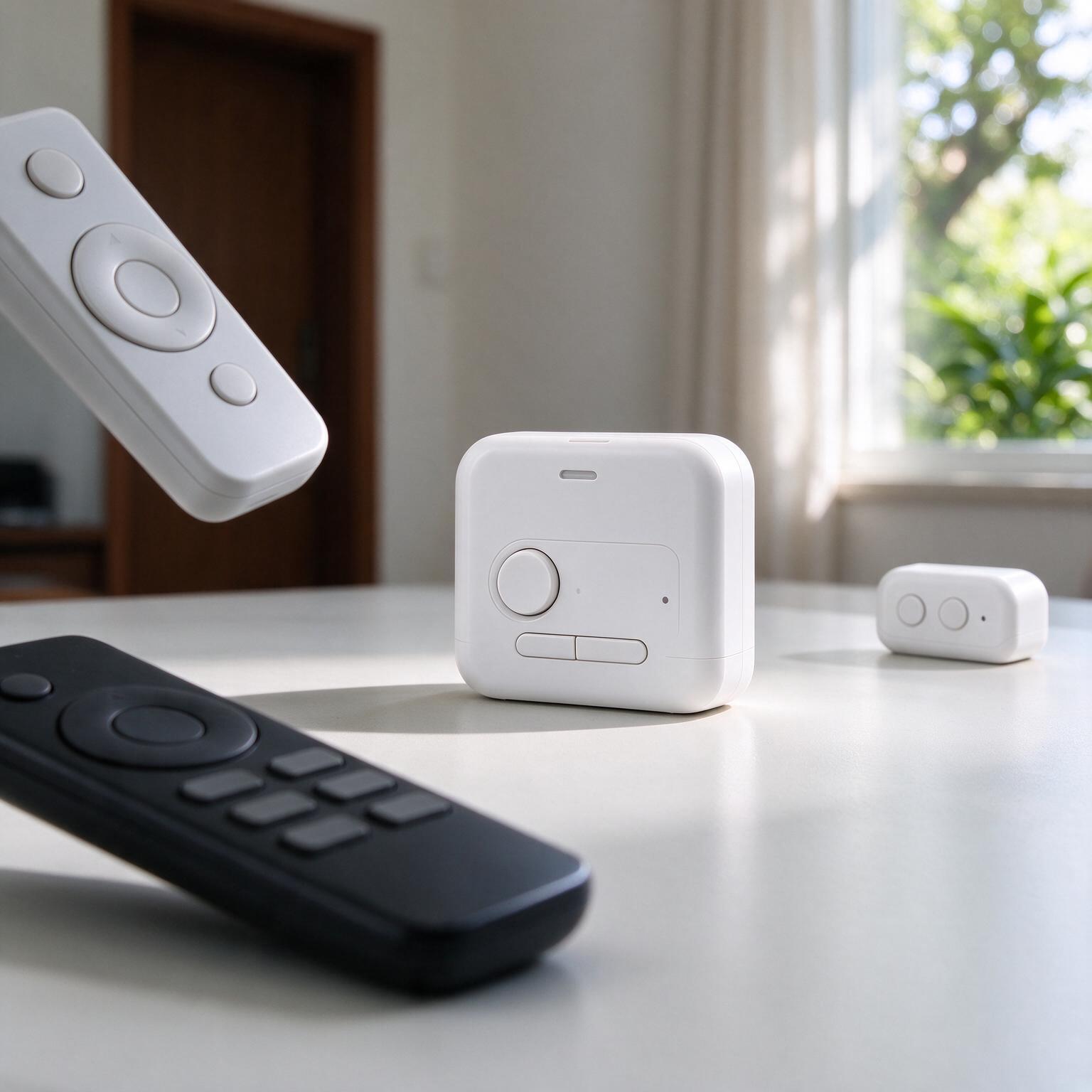
A 400-room hotel group running three properties does not usually buy remote controls. It writes the spec. This one had chosen to do exactly that: two product lines were being built for its own rooms — a bedside handset for lighting and shading, and a thermostat-style unit for corridor and suite climate control. Both would carry the group's brand. The ODM in Shenzhen came on board in year two of the programme, and the first UL submission went in within twelve months. Three product families. One accepted.
Where the programme stood before the first submission
The setup matters more than the result. Three properties, roughly 400 rooms, and a specification already locked by the time anyone was designing the electronics. That sequence is normal in hospitality, and it is where most certification trouble starts: room layout, wall-box depth and the guest-facing interface were all fixed before anyone opened the standard.
Two remote-control lines were in scope. First, the handset — battery-powered, a handful of buttons, a short-range radio link to an in-room receiver. Second, the wall-mounted climate unit, which in two of the three properties ran off mains power through the wall box rather than a battery. One programme, one supplier, two different power architectures. That difference is what split the families later on.
The submission went in during year two, about twelve months after the ODM was appointed. It covered three families: the battery handset, the mains-powered wall unit, and a suite variant of the handset with a different keypad layout. The group assumed the variant would be a formality. It wasn't.
How bad it was, in weeks and families

Two of the three families were rejected. The battery handset passed; the mains wall unit and the suite variant did not. Two-thirds failure on a first submission, and eleven weeks gone before a resubmission went in.
Worth recording how those eleven weeks broke down, because testing was not the bulk of it. Call it a week to get the written findings into a form the ODM's engineers could act on, and another to agree which items were design changes and which were documentation. The rest went on redesign, re-layout, and the internal re-test any sensible supplier runs before paying for a second submission. A resubmission isn't free — it carries its own fee and its own queue — so waiting for a slot and then failing again is the expensive route.
The real damage wasn't the fee. It was the room-opening schedule. A group that has already ordered furniture, specified switch plates and published a fit-out date cannot easily absorb an eleven-week slip in the one component that ties the room together. The programme team had two options: open with a temporary control arrangement, or hold the date. Neither is cheap.
The four changes, and what each one cost
None of the fixes were exotic. What made them work was agreeing all four before booking any further testing, instead of finding them one at a time.
- Split the submission by power architecture. The mains wall unit and the battery handset went in as separate submissions with separate technical files. The reason is simple: evidence requirements for a mains-fed product and a battery product differ in kind, not just degree. Bundled together, the weaker file dragged the stronger one down. The cost was administrative — two sets of paperwork, two sets of fees, two queues. The gain: the handset, already passing, stopped being held behind the wall unit.
- Freeze the radio module before the enclosure. The suite variant had been designed the other way round — the enclosure profile drove antenna placement. For any product needing a radio approval, that's backwards, and it's a classic ordering error. We locked the module and its antenna clearance first, then fitted the keypad layout around them. The cost was a visible change to the suite handset's front face, which the interior designer had to sign off again. That took about a fortnight.
- Build a documentation pack the ODM owned end to end. Previously the group's specification documents and the ODM's technical file had been put together by different teams in different formats. The resubmission used one pack, one owner at the ODM, one counterpart at the group. The cost is real and often understated: a named engineer's time for several weeks, during which that engineer is not on new design work.
- Review against the standard, not against the previous findings. The first failure had been treated as a list of defects to fix. The second round was treated as a fresh assessment of each family against the applicable requirements. That caught one issue that hadn't appeared in the first findings at all and would have forced a third submission. Cost: roughly two weeks of engineering time before booking a slot.
There's nothing clever in any of this. Each change trades schedule or admin effort for a lower chance of failing again. I list them because three of the four were decisions the group could have taken before the first submission, at a fraction of the cost.
What the next eighteen months looked like
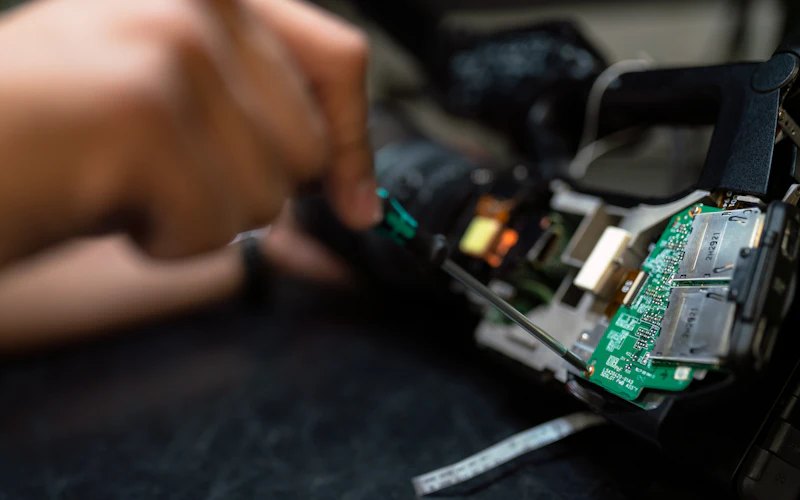
Over the following eighteen months, six more submissions went in across the two product lines and their variants. First-pass acceptance settled into a range rather than a single figure — in practice most submissions were accepted first time, with the occasional finding that needed a documented response rather than a redesign. Put simply: the failure mode shifted from rejected families to minor findings.
Time-to-certificate went from a first attempt that ran past a year with a two-thirds rejection rate, to a cycle measured in a few months per family, including the ODM's internal re-test. The range matters more than a point figure. A submission that comes back with findings and a short response window is a different animal from one that comes back rejected, and the group now budgets for the first case and not the second.
The room-opening schedule stopped being at risk. That, more than the certificate, was the number the programme team watched.
What transfers to other remote control UL certification programmes, and what does not
The transferable part is structural. Split submissions by power architecture. Lock the radio module and antenna clearance before freezing the enclosure. Give the technical file one owner on each side. Review against the standard rather than the last set of findings. Those four hold for almost any remote control UL certification programme, because they are about ordering and ownership, not about this particular handset.
The documentation point deserves emphasis. In most programmes the delay is not the laboratory. It's the gap between a finding being issued and a supplier's engineer understanding precisely what is being asked. One named owner on each side shortens that gap more than any process tool. If you're assessing an ODM for remote control UL certification, ask who that person will be — and what else they're working on.
What doesn't transfer is the arithmetic. The eleven weeks, the two-thirds rejection rate and the eighteen-month horizon belong to a group that had already fixed its room specification, wall-box depth and guest interface before the electronics were designed. Start earlier and you have more room to move; your numbers will differ. Work with a supplier whose radio module is already certified for the target market and the path is shorter again — a question worth asking before the first submission, not after.
One more limit. This account covers hospitality handsets and wall-mounted climate units. It says nothing useful about high-volume consumer remotes, where tooling and per-unit cost dominate the design conversation in a way that room-by-room specification never does. The failure modes rhyme; the economics don't.
If you're running a comparable programme, the practical next step is to ask the supplier for the submission plan before design freeze — which families, in what order, and who owns each file. If the answer is one bundled submission covering everything, that's a schedule risk you can price now. For questions about a specific programme, Serow Controls replies to enquiries within one working day at peter.sun@serow-tech.com.
More from the newsroom
Keep reading.
Three other notes from the same team.
Start a project
Send the control target, not a catalogue request.
Tell us what the remote has to control, which radio the installed base uses, and where it ships. We will reply with the questions that decide the architecture.