
Double shot key legends on a 400-unit run: what we changed after the first batch
Published 2026-11-27 · 5 min read
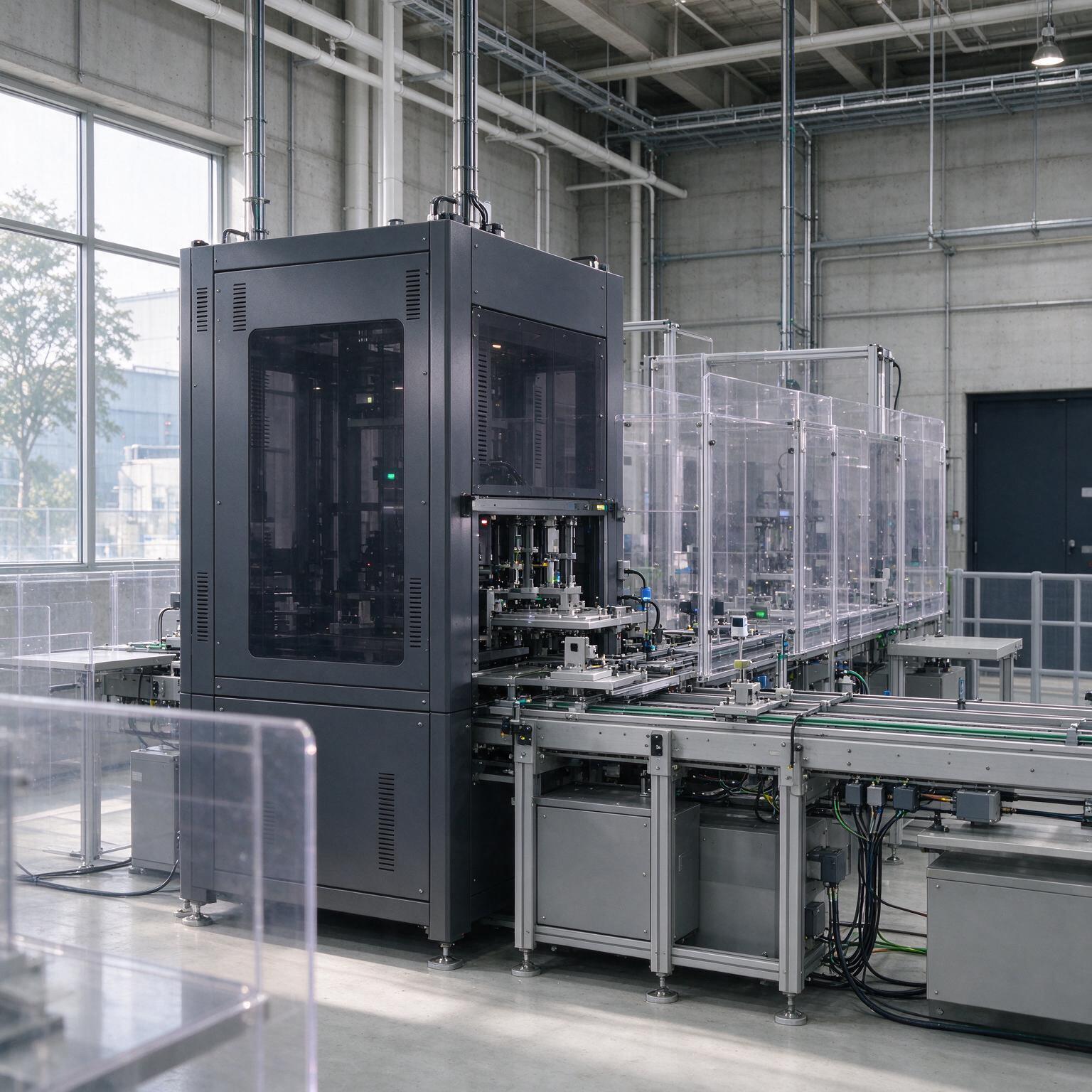
Context: a 400-unit run for a regional keyboard brand
I'm writing this one up because the numbers turned out to be the useful part. A regional keyboard brand placed a 400-unit run for a mechanical board with double shot keycaps, backlit, per-key legends. No in-house tooling engineer on the buyer's side. First production run, not a sample round. The delivery date sat in a fixed seasonal window about fourteen weeks out.
If that combination sounds familiar — small volume, tight date, nobody on the buyer side who owns the tooling — it should. It's the standard shape of an order placed with a Shenzhen ODM. The model was a 104-key layout, an ISO and ANSI mix, legends specified on double shot key legends with clear backlight windows. The brief treated the legends as a visual detail. That one decision drove most of what went wrong.
How far off the first batch was
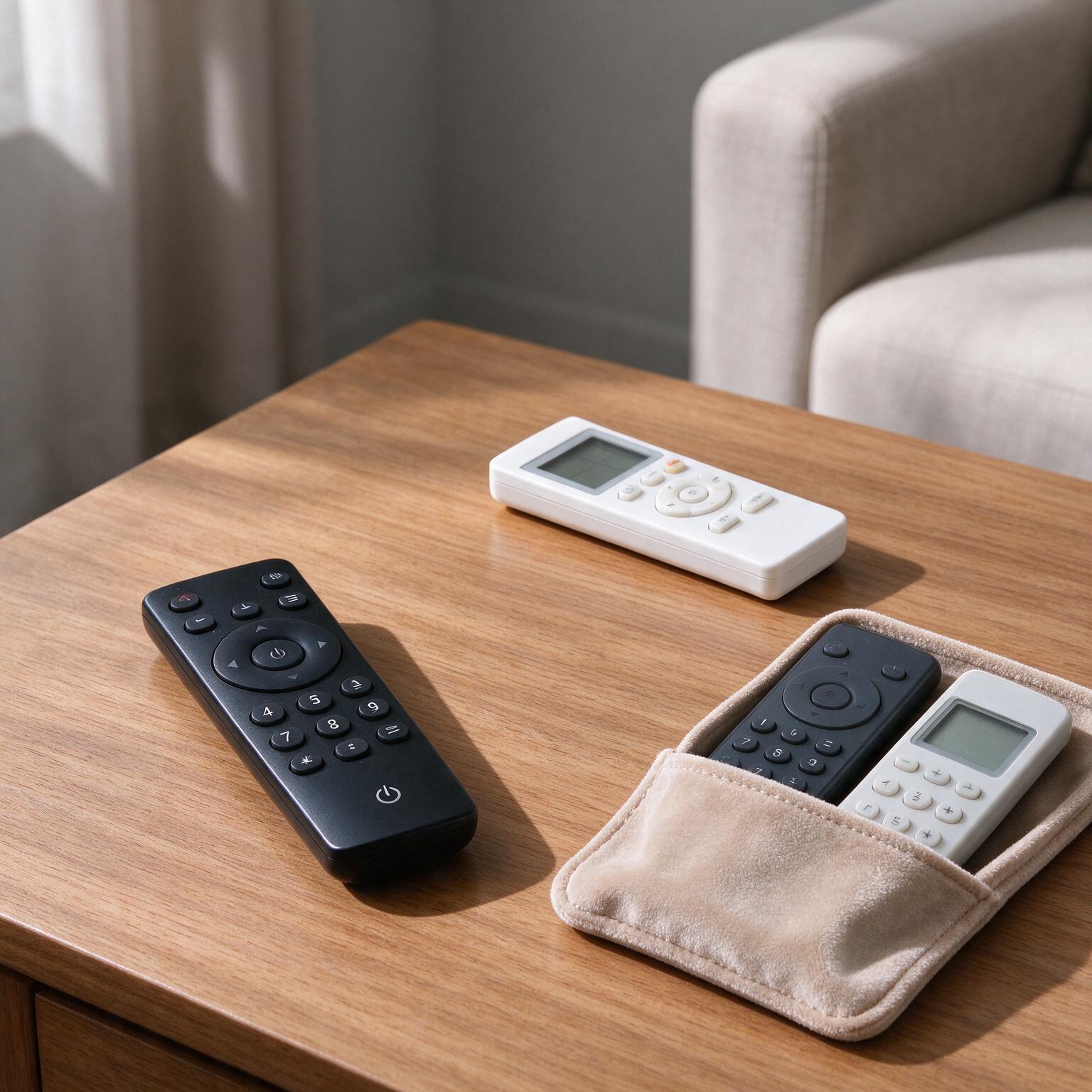
The first batch ran to 400 boards. Only about 310 passed the brand owner's incoming inspection without comment. The rest fell into three groups, and none of them was subtle.
- Legend misalignment: roughly one key in twelve had its legend offset by a visible margin. Enough that a buyer holding the board at arm's length would catch it on a highlighted row. This was the biggest single share of rejects.
- Light bleed at the legend edge: on a subset of keys the backlight window around the letterforms came out wider than the drawing, so light spilled under the cap skirt. Mould and light-guide problem, not a printing one.
- Colour drift between keys: caps from different mould cavities came out slightly different in shade under the shop floor lighting. A few dozen keys read as a mismatched set.
The rework hours are what changed the conversation. Sorting 400 boards, pulling suspect caps, replacing them, re-testing — about 60 hours of combined labour across two sites. On a run this size that is not a rounding error. It was more time than the original tooling review had taken. Then there's the yield loss: close to 9% of the keycap set could not be salvaged and went to scrap. That stings when every double shot cap carries a mould cycle behind it.
Here's the trap. None of these faults stopped the boards working. A control platform team or a hotel group ordering remotes with backlit legends will live with a slightly stiff key. They will not accept a board that looks like two different products were mixed in the box.
What was actually done
Four actions, in the order we took them. Each one cost something, and the cost is why the list is short.
1. Freeze the legend drawing and issue it as a controlled document
The original brief had legends as a mood board plus a verbal instruction. We turned that into a dimensioned drawing: stroke width, window margin, cap and base geometry, tolerance on each. Simple reason — you cannot inspect a legend you have not defined. It cost about two working days of drawing time plus a review cycle with the brand owner, and it pushed the tooling start back. We only got that delay back because the schedule had slack at the mould stage.
2. Add a first-article inspection at the mould, not at the assembly line
The original flow inspected finished boards, by which point the cost of a bad cap is already sunk. We moved the check to the first shots off each cavity, using the controlled drawing as reference and a light box for the bleed test. Double shot key legends fail at the tool. The tool is cheap to correct early and painful to correct late. Cost: one extra setup per cavity and a hold on the run until sign-off. This is where a small order feels it — a 400-unit run can't absorb many setup holds before the date is at risk.
3. Reduce cavity-to-cavity variation by gating colour batches
We tied each colour batch to a cavity group and kept them apart through assembly, so no single board drew caps from two colour runs. The drift was a batch effect, and mixing batches on one board is what made it visible. Cost: less scheduling flexibility and a bit of extra handling. I won't claim we eliminated the drift. We contained it.
4. Build a 30-unit pre-production sample set and stop
Before the balance of the run, we produced 30 boards from the corrected tool and shipped them for the brand owner to inspect. That put the acceptance decision in the buyer's hands before we committed the rest. Cost: roughly a week of schedule and the tool time for the sample set. Buyers skip this step to protect a date more often than not. It's the step that protects the date.
The result over three subsequent batches
Three batches followed the corrected tool, at roughly the same volume. First-pass acceptance at the brand owner's inspection went from about 78% on the first batch to the low 90s. I'm giving a band rather than a precise figure — incoming inspection criteria shift batch to batch, and a single decimal would overstate how much we actually know.
The other numbers moved the same way. Rework hours fell from about 60 to under 15 per batch. Keycap scrap dropped from roughly 9% to a low single-digit figure. The legend-misalignment group essentially disappeared, because it was a drawing problem and the drawing got fixed. Light bleed reduced but did not vanish. That's the one item still on the watch list, and it's why the light-box check stays in the flow.
What didn't change: the schedule. The sample stage and the cavity hold cost about a week and a half in total. We still met the seasonal window, but only because the original plan had spare days in it. On a programme with no slack, those same four actions would have produced a late delivery instead of a saved one.
What transfers, and what does not
Read this section twice. A case write-up that claims everything generalises is telling you nothing.
What transfers: the sequence. Define the legend as a controlled drawing before tooling. Inspect at the mould, not the line. Keep colour batches separate through assembly wherever shade consistency matters on double shot key legends. Put a sample set in the buyer's hands before the balance of the run. Those four hold for any backlit legend project at small-to-mid volume, whatever the caps sit on — a keyboard, a remote handset, a wall panel. The mechanism is the same each time: legend faults are tool and drawing faults, and both are cheap early and expensive late.
What does not transfer: the specific numbers. A 400-unit run tolerates a week of schedule cost. A 40-unit run does not. A 4,000-unit run can absorb the sample stage almost invisibly. The 60-hour rework figure came from one inspection standard and two-site logistics; change either and the number changes. Light-bleed behaviour depends on the light-guide design and the cap material, so a different stack-up will give you a different result even with the same four actions.
One more limit worth naming. This buyer had no in-house engineer. A brand owner with a tooling engineer on staff would probably have caught the drawing gap before the order went out. Everything above is a substitute for that resource, not an improvement on it. If you have the engineer, use them earlier and spend the schedule slack somewhere else.
Scoping a legend project and want to know which of these steps fits your volume and date? Write to peter.sun@serow-tech.com with the layout, the volume and the delivery window. We reply within one working day.
More from the newsroom
Keep reading.
Three other notes from the same team.
Start a project
Send the control target, not a catalogue request.
Tell us what the remote has to control, which radio the installed base uses, and where it ships. We will reply with the questions that decide the architecture.